
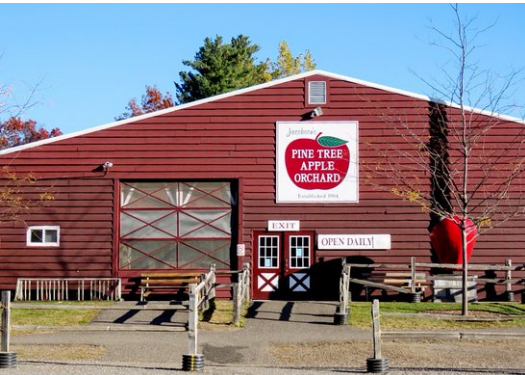
Autumn in White Bear Lake comes with a distinct set of traditions. Leaves turn vibrant shades of red and gold along Highway 61, chilly morning air drifts off the lake, and local families flock to Pine Tree Apple Orchard to load up on Honeycrisp apples, warm fresh cider, and homemade caramel apples.
Fall treats bring joy to the season, but they also bring a seasonal surge of sugar and acid that can wreak havoc on tooth enamel. Protecting your family’s teeth doesn’t mean skipping autumn treats altogether. Understanding how fall snacks affect oral health allows you to enjoy seasonal favorites while keeping enamel strong and cavity-free.
How Apple Cider Affects Tooth Enamel
A common misconception is that natural treats like fresh apples and apple cider are completely harmless because they come from fruit. While raw apples offer healthy fiber, liquid apple cider presents a different story for your teeth.
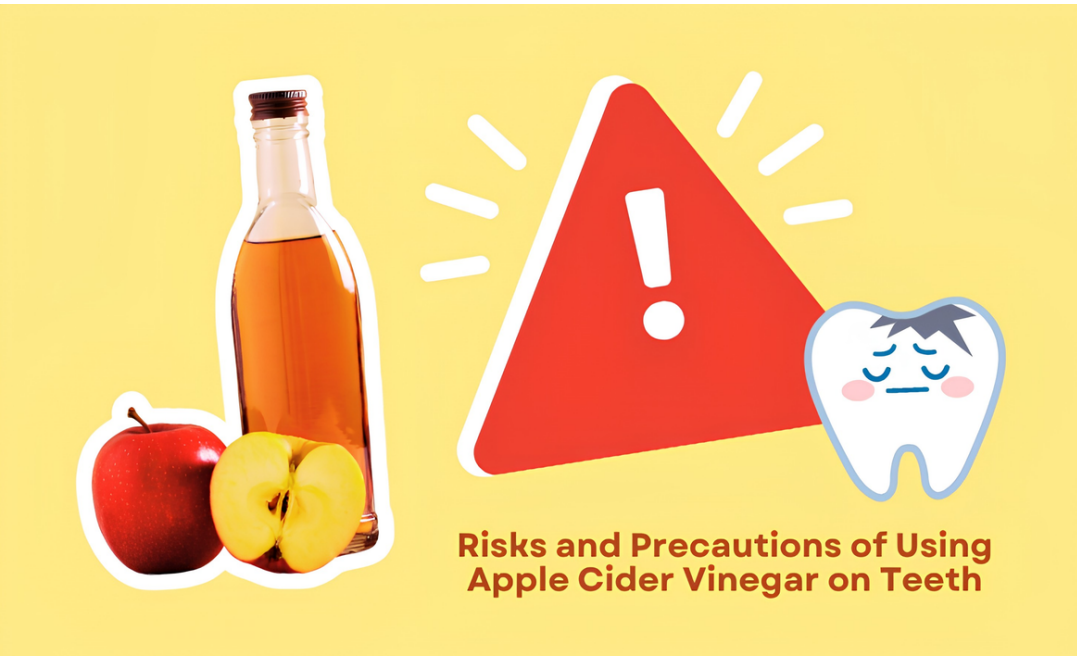
When apples are pressed into cider, natural sugars concentrate into a liquid form, accompanied by high levels of malic and ascorbic acid.
Here is what happens inside your mouth when you sip warm cider on a chilly autumn afternoon :
1. Enamel Softening: The pH level of typical apple cider ranges between $3.0$ and $4.0$, well below the critical $5.5$ threshold where tooth enamel begins to demineralize and dissolve.
2. Prolonged Exposure: Sipping cider slowly over an hour keeps mouth pH in an acidic state, preventing natural saliva from neutralizing acids and remineralizing enamel.
3. Bacterial Surge: Oral bacteria thrive on concentrated natural sugars, converting them into additional destructive acids that attack softened tooth surfaces.
The Ranking
Which Fall Treats Stick to Enamel the Longest?
Not all autumn snacks carry the same level of risk for tooth enamel. The danger of a treat depends on its acidity, sugar concentration, and stickiness—how long it remains physically trapped against tooth grooves.
Here is how popular White Bear Lake fall treats rank from least to most risky for your teeth:
1. Fresh Raw Apples (Safest Choice)
Fresh apples contain natural sugars and acid, but their firm, fibrous texture acts like a natural toothbrush. Chewing a crisp apple stimulates saliva production, which washes away food particles and neutralizes oral acids.
2. Warm Apple Cider (Moderate Risk)
Cider is highly acidic and sugary, but as a pure liquid, it doesn’t physically stick to tooth grooves. Rapid consumption minimizes damage compared to slow, extended sipping.
3. Apple Cider Donuts (Higher Risk)
Soft, refined carbohydrates like cider donuts break down into simple sugars that cling to the chewing surfaces of molars.
4.Caramel Apples (Highest Risk)
Caramel apples combine heavy sugar, high acidity, and intense stickiness. The viscous caramel locks sugar directly against tooth enamel and dental restorations, making it difficult for natural saliva to wash away.
4 Practical Tips to Protect Enamel This Fall
You don’t need to ban caramel apples or warm cider from your weekend outings. Applying smart, realistic habits helps protect tooth enamel while enjoying autumn treats:
1. Drink Water Immediately After Acidic Treats
Never brush your teeth immediately after drinking cider or eating acidic fruit. Acid temporarily softens enamel, and immediate scrubbing with a toothbrush can cause micro-abrasions. Instead, swish vigorously with plain water to help wash away lingering sugars and restore mouth pH.
2. Time Sweet Treats Around Mealtime
Sipping cider or eating orchard snacks as a standalone, all-day treat keeps enamel under continuous acid attack. Enjoying fall treats immediately after lunch or dinner leverages the extra saliva produced during meals to naturally buffer acids and protect teeth.
3. Use a Straw for Liquid Treats
When sipping warm or cold apple cider, use a straw to direct liquid toward the back of the throat, minimizing contact with front teeth.
4. Wait 30 Minutes Before Brushing
Give natural saliva at least 30 minutes to re-harden tooth enamel after consuming acidic foods. Once that window passes, brush thoroughly with fluoride toothpaste to remove remaining debris.
FAQ: Fall Dental Care & Enamel Health
How does apple cider affect tooth enamel and how can I protect it?
Apple cider contains high levels of natural acid (pH $3.0$–$4.0$) and concentrated sugars that temporarily soften tooth enamel and feed cavity-causing bacteria. To protect your enamel, drink cider through a straw, avoid lingering over a single cup for hours, swish with plain water immediately afterward, and wait 30 minutes before brushing your teeth.
Are raw apples bad for your teeth?
No. While raw apples contain natural acids, their crisp, fibrous texture stimulates healthy saliva flow and helps clean tooth surfaces as you chew, making them a tooth-friendly fall snack.
Why do my teeth feel sensitive after eating caramel apples?
Caramel is extremely sticky and high in sugar. It clings to tooth enamel and pulls on existing fillings or restorations. The concentrated sugar can temporarily irritate microscopic pores in softened enamel, causing mild temperature or tactile sensitivity.
Keep Your Family’s Smiles Healthy This Autumn
Enjoying fall in White Bear Lake is all about tradition—from weekend trips to the orchard to cozy autumn walks. Keeping your family’s smiles strong and pain-free ensures you enjoy every moment of the season.

Whether it’s time for a routine post-summer cleaning or a quick checkup before the busy holiday season
arrives, Dr. Sarah Boo, DDS PA, provides comprehensive, low-anxiety dental care tailored to every
member of your family.
Enjoy fall treats with complete peace of mind!
Schedule your family’s autumn checkup at our boutique, gallery-inspired White Bear Lake clinic today.