
As October brings crisp autumn air across White Bear Lake and cool winds drift off the water, local routines change quickly. We trade light summer layers for warm sweaters, head out for brisk walks along Highway 61, and reach for steaming cups of coffee or spiced cider to stay cozy.
For many residents, however, stepping outside into a cold breeze or taking that first hot sip triggers a sharp, sudden jolt in their teeth. If cold air or temperature shifts make you wince, you are far from alone. Seasonal tooth sensitivity is a common experience as autumn temperatures drop, but understanding what causes these sharp reactions makes managing and preventing them straightforward.
Why Cold October Air Triggers Tooth Pain
Teeth are not solid, inert blocks; they are living structures with sensitive inner layers. Beneath the hard, protective outer enamel lies dentin, a porous material filled with thousands of microscopic tubules leading straight to the dental pulp and nerve centers.

When healthy enamel covers the crown of the tooth and firm gum tissue covers the roots, these sensitive tubules remain shielded from outside elements. As outdoor temperatures plunge and cold lake winds hit your teeth, thermal contraction occurs. Enamel and dentin expand and contract at slightly different rates when exposed to cold air or rapid shifts between hot drinks and chilly weather.
If enamel has thinned or gum margins have slightly recessed, these quick temperature shifts create a fluid movement inside the microscopic dentin tubules. That movement directly stimulates the nerve, resulting in that sudden, familiar “zing.”
Common Causes Behind Autumn Sensitivity
Seasonal weather rarely creates tooth sensitivity entirely on its own; instead, the arrival of cold air highlights underlying dental conditions that may have gone unnoticed during warmer months.
Microscopic enamel wear is one of the most frequent culprits. Years of aggressive brushing with hard bristles, nighttime teeth grinding, or frequent exposure to acidic foods and drinks slowly wear down protective enamel over time. Once enamel thins, cold outdoor air reaches the underlying dentin much faster.
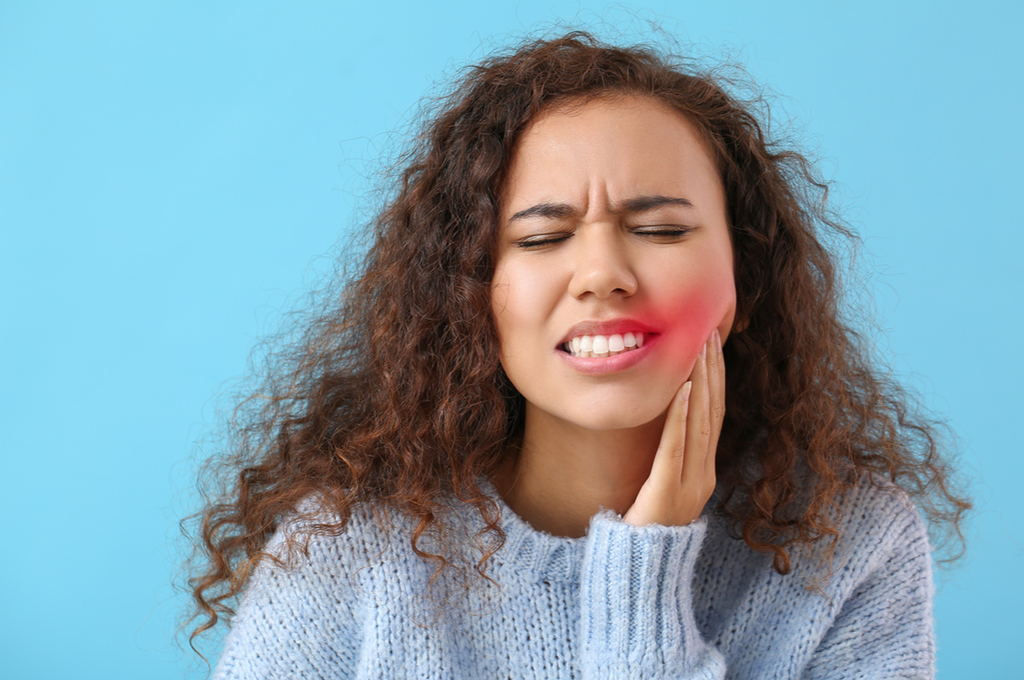
Slight gum recession also plays a significant role. When gum tissue recedes—whether from age, previous inflammation, or heavy biting pressure—it exposes the root surfaces of the teeth. Unlike crowns, tooth roots lack a thick layer of enamel and rely on a much thinner protective coating, leaving root surfaces exceptionally vulnerable to cold autumn breezes.
Existing dental work can also react to seasonal weather shifts. Older metal fillings, for instance, conduct cold much faster than natural tooth structure, occasionally sending brief sensations down to the nerve when you inhale cold air through your mouth.
Practical Ways to Protect Your Teeth This Fall
You do not have to put up with uncomfortable tooth zings every time you step outside or enjoy a hot beverage this autumn. A few simple adjustments can restore daily comfort:
- Breathe Through Your Nose Outdoors: When walking outside on cold or windy days, try breathing in through your nose rather than your mouth. This allows cold air to warm up in your nasal passages before reaching your lungs, keeping chilly breezes away from exposed tooth surfaces.
- Switch to a Desensitizing Toothpaste: Potassium nitrate and stannous fluoride in specialized sensitivity toothpastes help block open dentin tubules over time, preventing temperature sensations from reaching the nerve. For optimal results, use a soft-bristled toothbrush and use the paste consistently for two to three weeks.
- Rinse with Water After Hot or Acidic Drinks: When enjoying warm cider or coffee, follow it with a quick swish of plain water. This helps neutralize mouth pH and reduces rapid thermal shock to your enamel.
- Avoid Aggressive Brushing: Brushing too hard strips away enamel and forces gum tissue to recede. Gently brush in circular motions using soft bristles to protect both enamel and gums.
Frequently Asked Questions
Why do my teeth hurt when I inhale cold air in White Bear Lake, MN?
Cold air causes rapid temperature drops on the tooth surface, creating fluid movement inside exposed microscopic dentin tubules. If your enamel is thin or your gums have slightly recessed, this fluid movement directly stimulates the tooth nerve, causing a sharp, temporary sting.
How can I treat seasonal tooth sensitivity at home?
Switching to a soft-bristled toothbrush and using a desensitizing toothpaste containing potassium nitrate twice daily offers significant relief within a few weeks. Additionally, breathing through your nose during cold outdoor walks prevents direct air contact with sensitive teeth.
When should I see a dentist for cold sensitivity?
While mild sensitivity to cold air is common, sharp pain that lingers for more than a few seconds after the cold source is removed can indicate an underlying issue, such as a cracked tooth, a leaking filling, or localized decay. Having a dentist evaluate persistent pain ensures small issues are addressed early.
Enjoy Autumn Comfortably in White Bear Lake
Autumn in our community should be spent enjoying crisp walks, local gatherings, and warm seasonal treats without worrying about sudden tooth pain. Identifying the root cause of your sensitivity allows you to enjoy the season comfortably.
If seasonal sensitivity persists or makes enjoying your daily routine difficult, Dr. Sarah Boo, DDS PA provides gentle, comprehensive evaluation and personalized care in a tranquil, welcoming clinic environment right here in White Bear Lake.
Don’t let cold air keep you from enjoying autumn!
Schedule a quick sensitivity checkup or routine visit at our boutique White Bear Lake practice today.